
Bir Billing is a Himalayan spot in Himachal Pradesh, India. It is known for its breathtaking beauty, peaceful and spiritual vibe, and Himalayan views. It offers thrilling adventure sports, especially paragliding in Bir Billing, making it a great place for both thrill lovers and those seeking quiet. Moreover, it is a hub for Tibetan culture, with numerous monasteries and stupas that offer peace and delicious food. Beyond the adventure, it offers quiet moments, starry nights, and a chance to disconnect from city life.
Along with this, the Bir Billing weather is also unique. It is different in every season and shifts dramatically between pleasant summers, heavy monsoon rains, and cold winters. If you also want to visit Bir Billing but are not sure what the perfect time is for you to visit this beautiful destination, then continue reading this blog. Good news — paragliding in Bir Billing officially reopens on 16 September 2026, right after the monsoon clears. If you’ve been waiting through the rains, this is the exact date to plan your trip around.


Table of Contents
Bir Billing Weather and Temperature: Month-wise Breakdown
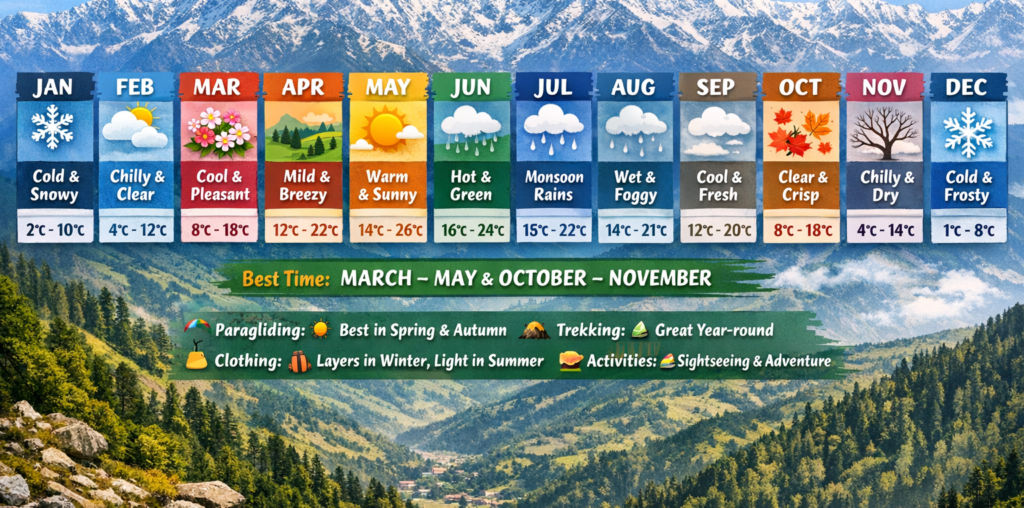
Bir Billing offers different seasons, with pleasant, warm summers, monsoon rains, and chilly, snowy winters. Here is the month-wise breakdown of the Bir Billing temperature.
Check Bir Billing weather and temperature by month Live
Click Here: Monthly Weather Guide for Bir Billing
Spring (March-May)
This period is highlighted as an ideal season for trekking and paragliding in Bir Billing due to the pleasant and warm temperature. This season is considered the peak tourist time due to the favorable weather conditions.
- March: In this month, the Bir Billing weather is pleasant, starting to warm up, making it a good time for trekking.
- April: In this month, the Bir Billing temperature is comfortable, with a balance of sun and some rain, which is perfect for exploring the area.
- May: This is the warmest month, with pleasing evenings and less rain.
Summer and Monsoon (June-August)
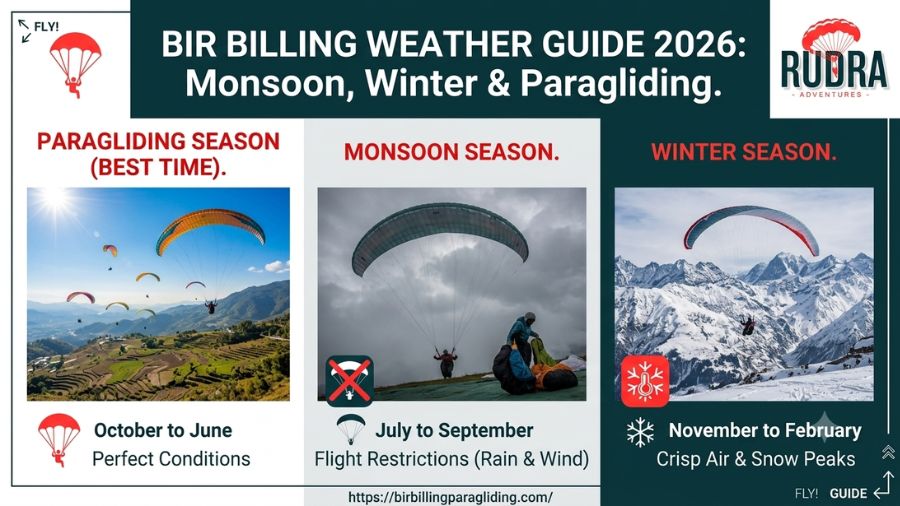
In June, Bir Billing weather is warm with pleasant nights, perfect for exploring. But July and August are the peak monsoon season with heavy rain making paragliding unsafe. But despite this, vibrant scenery and lush greenery attract many visitors.
- June: In June, the weather is warm with cool and pleasant nights, ideal for paragliding, hiking, and sightseeing.
- July-August: These months are monsoon months, characterized by heavy rain, high humidity, and unsafe conditions for paragliding in Bir Billing. But the landscapes become lush, green, and quiet, perfect for nature lovers and those seeking peace.
Can You Do Paragliding in Bir Billing During Monsoon (July–August)?
No — paragliding is completely suspended in Bir Billing from early July to mid-September due to monsoon conditions. Here is why:
- Unpredictable thermal activity makes flights dangerous
- Cloud cover blocks visibility from Billing launch site
- Heavy rainfall makes the Billing road slippery and risky to drive
- Most licensed operators shut down completely for safety compliance
What Can You Do Instead in July–August?
Even though paragliding is closed, Bir Billing is still worth visiting in monsoon:
- Trekking to Rajgundha Valley — The trail is lush green and beautiful after rain
- Monastery visits — Chokling Monastery and Deer Park Institute are peaceful
- Cafe hopping — Bir’s cafe culture is very active year-round
- Photography — Dramatic clouds over Dhauladhar range are stunning
- Camping — Some operators still run monsoon camping with bonfires
- Mountain biking — Tracks around Bir village are rideable in light rain
Bir Billing in Monsoon: Pros, Cons & Travel Tips

Monsoon hits Bir Billing from early July to mid-September, and it completely transforms the valley. Here’s the honest breakdown.
Pros of Visiting in Monsoon
- Lush, green landscapes — the valley turns a vivid shade of green that you simply won’t see in any other season
- Fewer tourists — cafes, monasteries, and viewpoints feel calm and uncrowded
- Lower prices — many homestays and guesthouses drop their rates significantly
- Dramatic photography — moody clouds rolling over the Dhauladhar range make for stunning shots
- Cooler temperatures — a welcome break if you’re escaping the plains’ summer heat
Cons of Visiting in Monsoon
- No paragliding — flights are suspended almost entirely from early July to mid-September
- Landslide and roadblock risk — the drive up to Billing can get slippery and occasionally unsafe
- Leeches and mosquitoes — common on forest trails during heavy rain
- Limited visibility — fog and cloud cover often hide the mountain views you came for
- Unpredictable plans — sudden downpours can disrupt even non-flying activities like trekking
Travel Tips for Monsoon
- Carry waterproof footwear and a quick-dry jacket, not just an umbrella
- Book accommodation with flexible cancellation in case of road closures
- Check local road advisories before driving up to Billing
- If you want both greenery and a chance to fly, aim for the last week of September — monsoon clears out, the landscape is still lush, and flying resumes
Winter in Bir Billing: Is It Worth Visiting?
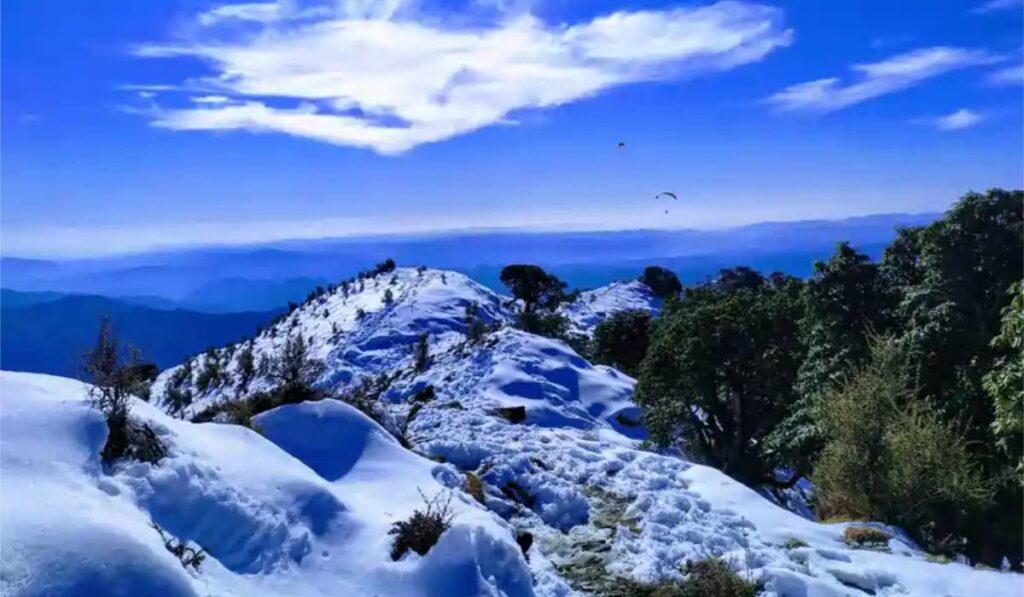
Winter runs roughly from November to February, and unlike monsoon, it’s not a flat “no” for flying — it’s more nuanced. Short answer: Yes, but go in with the right expectations.
What Winter Actually Looks Like
- November: Clear skies, cold nights, still excellent for paragliding and camping
- December: Crisp, often clear days — frequently the best month for sunsets and photography. Flights happen on clear days but can be cancelled due to wind
- January: The toughest month — heavy fog, snow, and harsh winds frequently shut down flying. Clear days do happen, but they’re less frequent
- February: Cold continues, but conditions start improving toward the end of the month
Pros of Winter
- Snow-capped views — Billing often gets a light dusting of snow, and some operators even offer snow paragliding, a genuinely unique experience
- Peaceful, low-crowd village — winter is the quietest time to enjoy Bir’s cafes and monasteries without a queue
- Some of the clearest sunsets of the year — especially in early-to-mid December, before peak winter fog sets in
- Lower prices on stays and packages
Cons of Winter
- Unpredictable flying — fog and snowstorms (especially in January) can ground flights for days at a stretch
- Shorter flight windows — even when flying happens, sessions can be shorter due to cold and reduced thermal activity
- Freezing nights — temperatures can drop below 0°C, so packing right matters
- Possible disappointment if you’re visiting specifically for a long flight and hit a foggy stretch
Winter is absolutely worth visiting for the views, the snow, the quiet, and the unique winter-paragliding experience — but if a long flight is the main goal, December is a safer bet than January, and it’s worth building 1-2 extra days into your trip in case the weather doesn’t cooperate on day one.
Bir Billing Weather vs Other Popular Hill Stations
Before you fly, check the weather at the Billing launch site (2,400m), not just Bir village. Wind speed, visibility, and cloud cover can change quickly and determine whether paragliding is safe. The best way to confirm today’s flying conditions is to contact your local paragliding operator.
View today’s live Bir Billing weather forecast, temperature, and conditions
Click here: Check Today’s Bir Billing Weather Forecast
Kasol Temperature vs Bir Billing
Kasol is generally 2–4°C cooler than Bir Billing due to its forested valley and riverside climate. Kasol is ideal for trekking and relaxing, while Bir Billing is famous for world-class paragliding and adventure activities.
Manali Weather vs Bir Billing
Manali experiences colder winters and heavier snowfall than Bir Billing. Bir Billing offers a longer paragliding season, whereas Manali is better suited for snow sports and winter vacations.
Shimla Weather vs Bir Billing
Shimla and Bir Billing share similar pleasant spring and autumn weather. Shimla is known for sightseeing and colonial charm, while Bir Billing is the preferred destination for paragliding, monasteries, and a peaceful mountain experience.
Jibhi Temperature vs Bir Billing
Jibhi has temperatures similar to Bir Billing but feels slightly cooler because of its dense pine forests. It’s a great destination for nature lovers and makes an excellent stop before or after a Bir Billing adventure.
Mussoorie Weather vs Bir Billing
Mussoorie enjoys a milder climate and is famous for scenic walks and hill-station views. Bir Billing stands out for adventure enthusiasts seeking one of the world’s best paragliding destinations.
Dalhousie Weather vs Bir Billing
Dalhousie is usually a little cooler than Bir Billing and offers pleasant weather for sightseeing throughout the year. Bir Billing remains the better choice for visitors looking for thrilling paragliding and outdoor adventure.
How Weather Affects Paragliding at Bir Billing
Whether you fly or not at Bir Billing comes down to a handful of weather factors, and understanding them helps set the right expectations no matter when you visit.
- Thermals: Paragliders rely on rising warm air currents (thermals) to gain height and stay airborne. These are strongest in spring and autumn, weaker in winter, and almost absent during heavy monsoon cloud cover.
- Wind speed: Calm to moderate winds are ideal. Strong winds (common in late winter and pre-monsoon) can ground flights entirely for safety.
- Visibility and fog: Heavy fog, common in January and during monsoon, blocks the pilot’s view from the Billing launch site, making takeoff unsafe.
- Rainfall: Even light rain makes the launch slope slippery and reduces flight safety, which is why operators pause flights well before heavy rain actually starts.
- Temperature and season-based weight limits: Air density changes with temperature, which is also why weight limits vary slightly by season (typically 25–90 kg in cooler months, 30–90 kg in peak summer).
When Does Paragliding Reopen After Monsoon?
Paragliding typically resumes from mid-September, once skies clear. October is the best month to arrive right after monsoon.
Pro Tip: If you are planning a July–August trip, visit in the last week of September instead. You get green landscapes AND open flying season.
Autumn (September-October)
These months mark the beginning of the peak season for paragliding in Bir Billing.It offers clear, sunny skies, comfortable temperatures, and vibrant and lush landscapes. This period is perfect for paragliding, hiking, trekking, and sightseeing.
- September: Act as a transition month where the monsoon leaves behind lush green landscapes that attract many visitors.
- October: This month features vibrant, crisp, clear skies and golden autumn vegetation and is perfect for flying.
Winter (November-February)
Winter in Bir Billing offers a scenic, cold, and adventurous escape.The Bir Billing temperature in December and November provides excellent, clear, sunny, and chilly days. January and February bring freezing temperatures, with the snow in the village and consistent snow at high altitudes.
- November: In November, the weather becomes colder with clear, sunny skies and cooler nights. It remains perfect for paragliding and camping.
- December: Bir Billing weather in December drops significantly, often reaching 0 degrees Celsius or below at night. Paragliding is possible on clear, sunny days, but it is often suspended due to harsh wind conditions.
- January (Peak Winter): Bir Billing temperature in January is cold. Paragliding is closed due to heavy fog, snow, and harsh wind conditions. It is a time for cozy cafe-hopping in the village and enjoying the snow and mountain views.
- February (Late Winter): In February, the cold continues, but the days start to feel comfortable towards the end of the month. While it still feels like peak winter, the snow decreases in the lower villages but remains in Billing.
Best Places to Visit In or Near Bir Billing
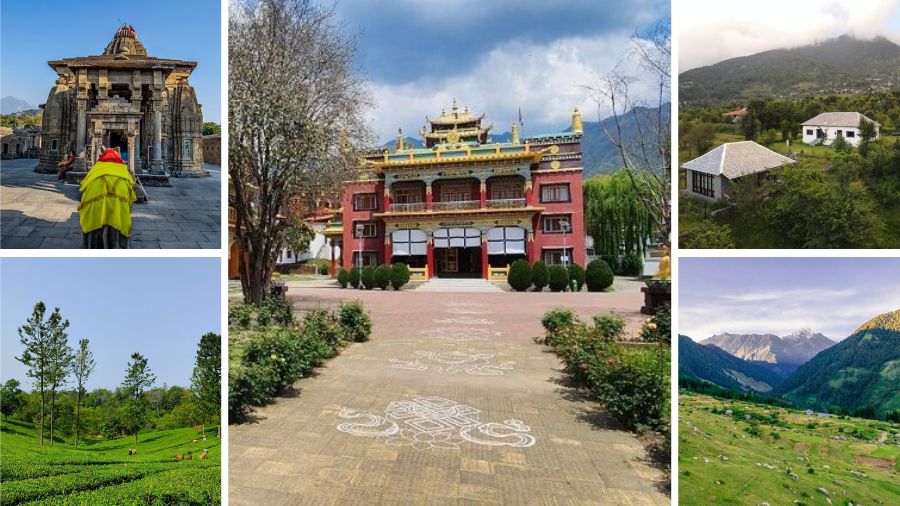
Bir Billing offers a blend of adventure and serenity with top attractions including Chokling Monastery, Dear Park Institute, and thrilling, high-altitude paragliding from Billing. The nearby spots feature the peaceful Sherab Ling Monastery, scenic Gunehar and Bangoru Waterfall, and the historic Baijnath Temple.
- Chokling Monastery
This monastery is located in the heart of the Tibetan Colony in Bir. It is known for its striking, colourful, and intricate Tibetan style. It features vibrant Tibetan architecture, including a large stupa, a beautiful statue of Padmasambhava, and 8 ornate pillars. It serves as a peaceful spiritual center and key tourist attraction.
- Paragliding Landing Site
This site is located in the village of Chowgan, on the southern edge of Bir. It is known as “Landing Site” or “Sunset Point.” This spot is popular to watch pilots descend in the evening, with many cafes and restaurants.
- Baijnath Temple
This temple is located in Kangra, Himachal Pradesh. It is dedicated to Lord Shiva as Vaidyanath, who cures devotees. Many devotees believe that the water at the temple has medicinal properties that can cure illness. The temple is situated on the banks of the Binwa River, with the snow-capped Dhauladhar mountain range providing a stunning backdrop.
- Palampur Tea Garden
These gardens are situated in the Kangra Valley. These gardens provide a striking contrast between manicured green tea bushes and the snow-covered Himalayan views. The gardens are open year-round, but the best time to see them is from April to October. Beyond viewing, the tourists are guided on factory tours to understand the process of making tea.
- Rajgundha Valley
This valley is located between the trekking routes of Bir Billing and Barot Valley. It offers popular treks like the one from Billing, as well as routes to Thamsar Pass and Bada Bhangal. Other activities include camping under the stars, birdwatching, and enjoying the scenic and untouched landscapes. Moreover, this valley is home to a small, primarily self-sufficient tribal community that lives in traditional houses and keeps to a simple and quieter lifestyle.
Paragliding in Bir Billing – Book Now
Bir Billing is known as the paragliding capital of India, attracting adventure lovers from around the world.
Best Time for Paragliding:
- March to July
- October to February
Booking Options:
- Solo Paragliding
- Tandem Flights with Certified Pilots
Book your Bir Billing paragliding experience today for the best prices and availability!
| Month | Weather | Travel Advice |
|---|---|---|
| Jan–Feb | Cold | Off-season |
| Mar–Jun | Pleasant | Best for paragliding |
| Jul–Sep | Rainy | Avoid |
| Oct–Nov | Ideal | Peak season |
| Dec | Cold | Budget travel |
Bir Billing Temperature Throughout the Day — What Most Travel Blogs Don’t Tell You
Most travelers search for Bir Billing weather and find only seasonal averages — but what actually matters is how the Bir Billing temperature shifts hour by hour during your visit. Bir sits at approximately 1,500 meters while the Billing launch site towers at 2,400 meters, creating two completely different climates within just a few kilometers of each other.
In the early mornings, temperature in Bir valley stays noticeably warmer and calm — perfect for a slow breakfast at one of the Tibetan cafes. But as you ascend to Billing by mid-morning, the air turns sharply cooler and wind speeds begin building. This vertical microclimate is exactly why weather in Bir Billing can feel like two different seasons in a single day. Tourists who pack only for the valley temperature are often caught off guard at the top.
Whether you are checking weather in Bir for a paragliding day or a simple nature walk, always pack one warm layer extra — the 900-meter elevation difference between Bir and Billing means temperatures can drop by 5°C to 8°C within the same hour.
Bir Billing Temperature in June — The Underrated Sweet Spot Before Monsoon
Bir temperature in June sits between 18°C and 28°C in the valley — warm, sunny days with cool and breezy nights that most summer destinations in India simply cannot offer. While the rest of North India bakes under intense heat, Bir Billing weather in June remains one of the most comfortable Himalayan climates you will find at this altitude.
The first two weeks of June are especially rewarding. Weather in Bir Billing during early June is stable, skies are mostly clear, and the pre-monsoon humidity adds a lush green freshness to the surrounding forests and tea gardens. Bir billing weather enthusiasts who visit in this window often describe it as the quietest and most beautiful time — tourist crowds are lower than peak season, accommodation prices are reasonable, and the landscape is at its most vibrant green.
Bir billing temperature at night in June drops to around 14°C to 16°C, making it ideal for bonfire evenings and rooftop stargazing — experiences that the scorching June heat makes impossible almost everywhere else in India. If you have been waiting for the right time, early June is your answer.
Conclusion
Bir Billing offers an ideal blend of heart-pounding adventure, serene Tibetan culture, and scenic Himalayan beauty, with cozy cafes and restaurants. Moreover, beyond flying, it is a hub for trekking, camping, mountain biking, and rock climbing. In simple words, Bir Billing offers a unique combination of thrill and tranquility, making it a must-visit all-year-round destination. People who want to learn paragliding can also come here because many paragliding agencies are here. Schools here provide paragliding courses in Bir Billing for 3-12 days, focusing on thermal, cross-entry, and basic flying skills.
If you are not sure what to do, then you can reach out to Rudra Adventures, as we offer professional paragliding in Bir Billing. Our paragliding course is led by experienced pilots, like Mr. Manjeet Kumar. We operate in Bir Billing and utilize top-tier equipment for flights over the Dhauladhar range. Moreover, we emphasize safety and offer a secure environment for beginners and experienced flyers. Connect with our team to enjoy an unforgettable experience in a world-class flying destination.
Also Read:
Bir Billing Paragliding Rudra Adventures
Paragliding Course in Bir Billing
Bir Billing Paragliding Packages
Trekking & Paragliding Adventures In Bir Billing
Rudra Adventures: Best Paragliding Agency in Bir Billing
People also ask:
How many days are sufficient for Bir?
A 2 to 3 days trip is enough to explore Bir Billing, enjoy paragliding, and visit nearby monasteries and cafes.
What is the best weather for Bir Billing?
The best weather in Bir Billing is clear, sunny, and wind-stable conditions, typically during spring and autumn, perfect for outdoor activities like paragliding.
Does Bir Billing experience snowfall?
Yes, Bir Billing experiences light to moderate snowfall during December and January, making it a scenic winter destination.
What is the temperature in Bir Billing?
Temperature ranges from 5°C in winter to 30°C in summer.