
Paragliding Sport is an exciting air sport where a pilot flies a lightweight, foot-launched glider aircraft with no rigid main structure. Strapped into a convenient harness beneath a specialized fabric wing, the pilot takes off from an elevated slope and rides air currents to gain hours of soaring and free flight.
Have you ever looked up at a bird, gliding through the air with ease, and wished you could do the same? Humans have always dreamed of flying, and the paragliding sport is as close to experiencing real, unmotorized flight as you can get. There are no big airplane cockpits. There are no noisy engines. There are no enclosed windows. It’s you, a fabric wing, and the open sky.
If you are a total beginner and want to get out of your comfort zone, you might have questions. What is paragliding exactly? Is it safe? How can a piece of cloth hold you up in the sky?


What is Paragliding Sport?
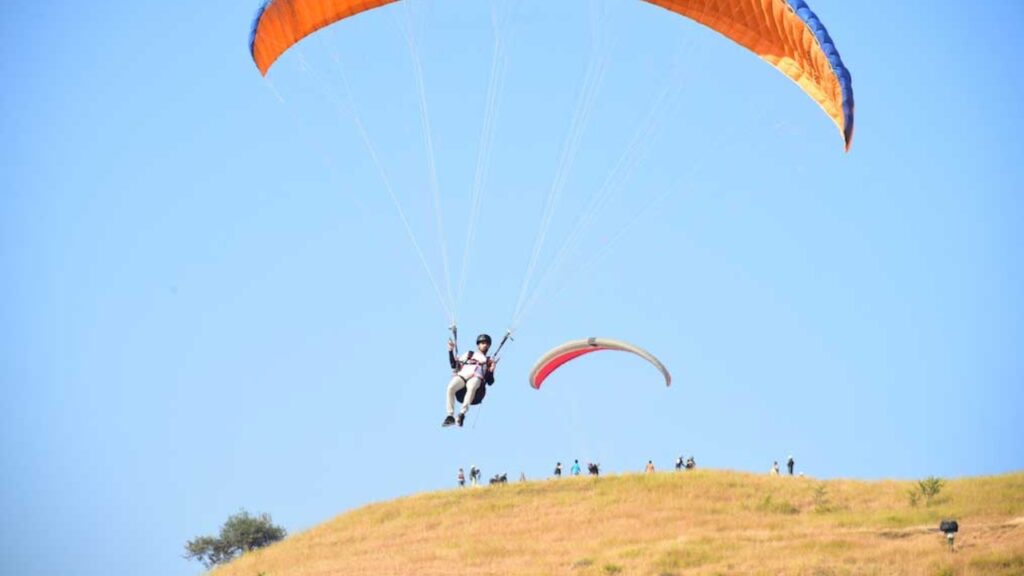
Paragliding is an adventure sport where you fly a lightweight, free-flying, foot-launched glider aircraft. The aircraft itself is called a paraglider. Even though it looks a little like a parachute, it operates very differently.
A parachute is developed to slow down a person’s fall from an airplane. A paraglider, on the flip side, is a real aerodynamic wing prepared to capture air currents, permitting you to start from a hill, go higher into the sky, and travel long distances horizontally.
For beginners, the sport is generally experienced through tandem flight. This means you are safely strapped into a harness right in front of an extremely seasoned, certified pilot. The pilot takes care of the launch, driving, and landing, while you sit back, relax, and enjoy the stunning panoramic vistas.
How Does Paragliding Work?
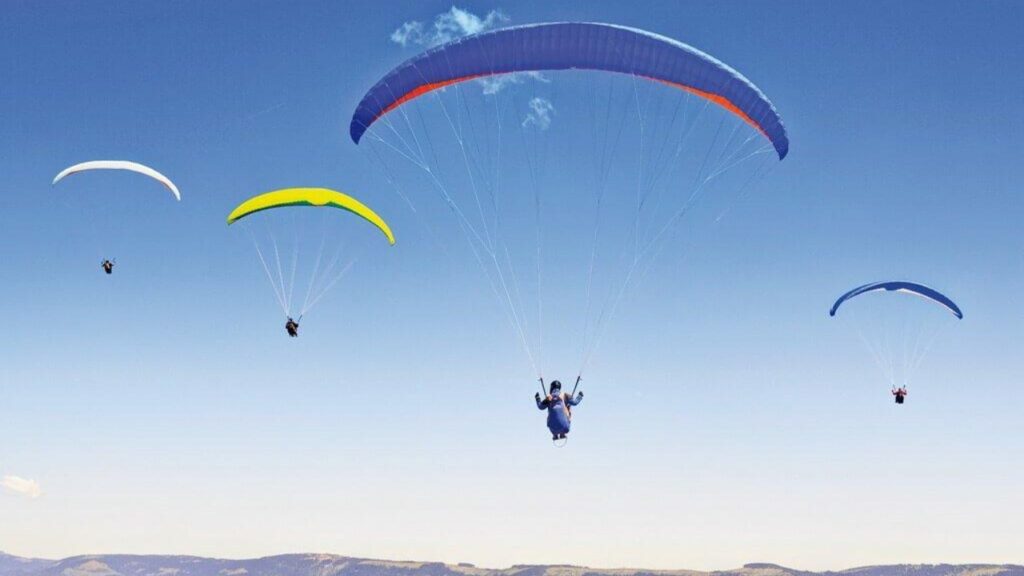
It is magical when you see a pilot soaring hundreds of feet above the ground, but it is actually easy science and aerodynamics at play. You don’t jump off a cliff into a free fall. Rather, you amazingly glide off a gentle slope.
Comprehending the common mechanics can assist in clearing up any fears you might have before your first flight.
1. The Dynamic Wing
The paraglider wing is made of heavy-duty, ripstop nylon fabric. It includes two layers of fabric linked by internal walls called ribs. This design makes hollow pockets known as cells. The front of the wing has open gaps. As you move down a hill during launch, air rushes into these gaps, inflating the cells and transforming the flat fabric into a strong, curved wing shape.
2. Creating Lift
Once the wing is puffed, it behaves precisely like an airplane wing. As it moves forward through the air, it divides the airflow. The air moving over the curved top surface moves more quickly than the air passing under the flag’s bottom surface. As per common physics rules, this pace distinction makes a pressure drop above the wing, producing an upward force called lift. This lift holds your weight and pulls you up into the sky.
3. Staying Airborne
When no wind is present, a paraglider will descend through the air at a steady rate on a low angle. Paragliders can maintain flight for hours when they find invisible rising currents of air, or elevators.
- Thermals – Patches of ground heat the earth and move the air above it. When the air heats and moves up, pilots circle in these columns of warm air to gain altitude.
- Ridge Lift – When wind gets to mountains or ridges, it is pushed upwards by the slope, creating an upward-moving column of air. Pilots who fly back and forth along the mountain are moving through this upward-moving air.
4. Steering and Controlling Your Paraglider
To turn a paraglider, pilots have two brake handles that are connected by strong lines to the trailing edge of the wing. When a pilot pulls the left brake handle, the left side of the wing slows down, causing the paraglider to turn left; when the pilot pulls the right brake handle, the right side of the wing slows down, creating a right turn. In addition to using the brakes, pilots will shift their weight while in their harness to help smooth out and create a more controlled turn.
Essential Paragliding Sport Equipment
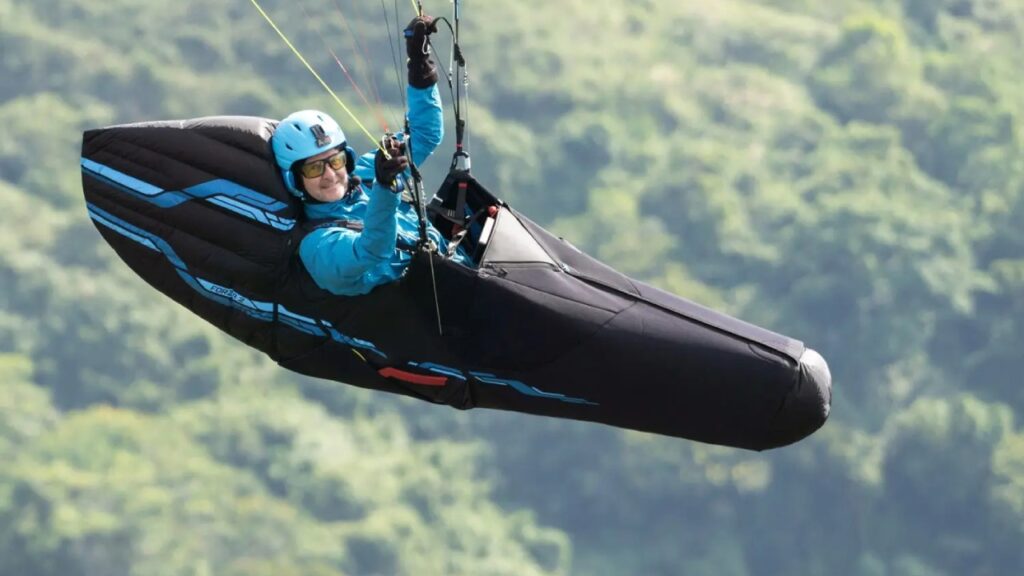
When you go flying for the first time, your flight operator will give you all the crucial safety information. Here are the four main pieces of tools utilized in every flight –
1. The Canopy – The fabric wing that catches the air to produce lift.
2. The Lines and Risers – Hundreds of extremely robust cords that link the fabric wing to the pilot’s harness. They allocate weight evenly and pass steering inputs to the wing.
3. The Harness – A convenient, padded seat that supports you during the flight. It works like a lounge chair in the sky. In a tandem formation, the passenger harness is connected directly to the pilot’s harness, utilizing robust metal spreader bars.
4. The Helmet – A compulsory protection gear product developed to secure your head during takeoff and landing.
The Rising Popularity of the Paragliding Sport in India
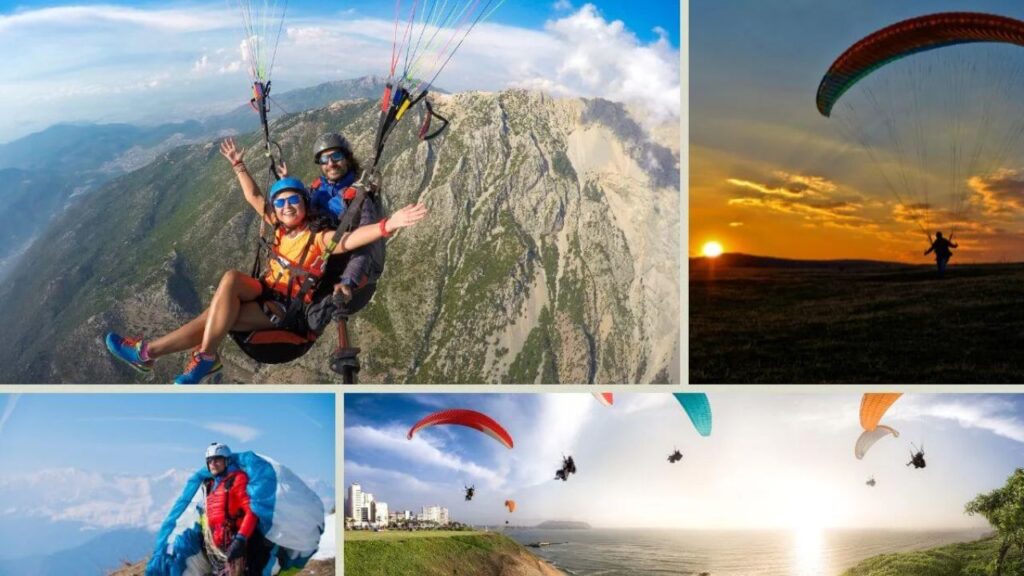
Over the last decade, India has expanded into a primary global hub for aero sports. The nation’s broad geography, ranging from the huge, snow-capped Himalayan ranges in the north to the rolling hills of the Western Ghats, delivers stunning conditions for flying.
There are a number of amazing destinations across the nation where you can try this sport –
1. Bir Billing (Himachal Pradesh)
Situated in the scenic Kangra Valley, Bir Billing is renowned globally as the paragliding capital of India. It is the highest paragliding take-off site in Asia, sitting at an altitude of roughly 8,000 feet above sea level. It delivers seamless wind conditions, majestic views of the Dhauladhar mountain range, and has even hosted the official Paragliding World Cup.
2. Kamshet (Maharashtra)
If you live close to Pune or Mumbai, Kamshet is the go-to location. It features gentle, flat-topped hills and extremely predictable, stable weather patterns, making it one of the amazing locations for paragliding training schools and introductory tandem rides over scenic lakes.
3. Manali (Himachal Pradesh)
Solang Valley in Manali is hugely famous among tourists. It delivers short, fun tandem flights that deliver elegant vistas of snow-covered mountain peaks, pine forests, and rushing rivers below.
Why Choose Rudra Adventures for Your First Flight?

When you’re going to try an adventure sport like paragliding Sport for the first time, your protection and convenience are based on the agency you hire. Rudra Adventures is an extremely rated, premium adventure tour operator devoted to delivering secure and memorable flying experiences.
1. Certified, Elite Pilots – They perform exclusively with highly skilled, licensed pilots who have logged thousands of successful flight hours in different wind conditions.
2. Top-Tier Safety Gear – They verify all wings, lines, and harnesses before every single launch, making sure adherence to global protection guidelines.
3. Patience with Beginners – The group comprehends that taking off can be difficult. They provide clear, calm briefings and walk you through the procedure step-by-step so you feel confident.
4. HD Media Memories – They furnish their pilots with actions, cameras connected to selfie piles, capturing HD videos and pictures of your flight so you can preserve your memories forever.
What to Expect on Your Very First Tandem Flight
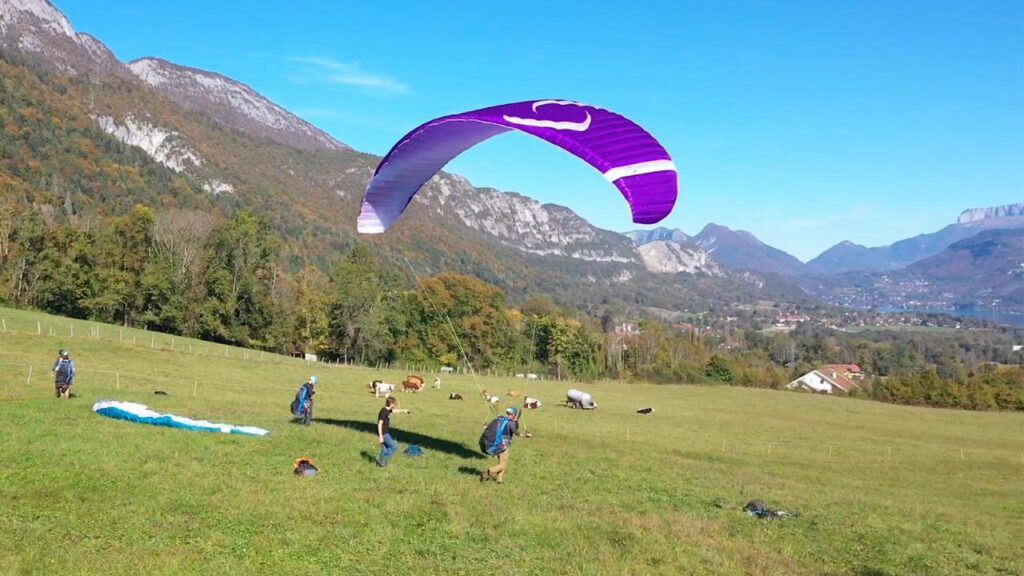
If you are prepared to book your first flight, here is a look at how the complete experience will unfold on the ground and in the air –
1. The Pre-Flight Briefing – When you arrive at your take-off site, the crew will fit you with a harness and helmet. Your pilot will provide you with a very simplified explanation of how to launch. The most important rule of launching is – Do not stop running or sit down until you are safely in the air.
2. Take-Off Run – You will run forward down the hill with the pilot in front of you. The ground crew will have the wing laid out behind you. As soon as the wind is blowing in the right direction, the pilot will yell, Run! You will start running forward down the hill, and you will feel the wing begin to fill with air as you run: you will feel a pulling sensation upward. You will continue to run until the ground is no longer under your feet.
3. Soaring in the Sky – After you leave the ground, the pilot will tell you to slide back and get comfortable in your harness seat. You will feel like you are in a big floating armchair. It is very seamless and peaceful; there are no sudden drops like roller coasters have. You can communicate with your pilot, watch the scenery beneath you, or wave to the camera.
4. A Smooth Landing – The pilot will glide into a wide, flat area where you are going to land with the glider. When you get close to the grass at the landing site, the pilot applies the brakes on the glider to reduce the velocity of the wing until it slows down to almost a stop. Just point your toes to the front, then when you touch the ground with your shoes, take a couple of quick steps.
Conclusion
Paragliding Sport is an experience that changes your life, replacing fear with an incredible sense of freedom and peace. It gives you the opportunity to see the world through a totally new perspective and create memories that will last a lifetime.
Now you know how the sport works, the equipment used, and how safe it can be with professional help, there’s nothing stopping you. Book a session with a reliable organizer like Rudra Adventures, take those few running steps down the mountain slope, and experience the pure joy of flight!